
Why Italian is a Fantastic Language to Learn in 2025
Italian is a beautiful language. In this blog we discover why the language is very much worth learning in 2025.
Posted By Love For Languages on 05-05-25
Thinking about picking up a new language in 2025? Here’s why Italian deserves a spot at the top of your list.
Italian looks classy on paper, but it’s even better out loud—rhythmic, expressive, and genuinely fun to speak. Hand gestures are optional (despite the rumors), but don’t be surprised if you start using them anyway: the language has a built-in sense of melody that makes conversation feel more alive.
Reason 1: Accessibility
Italian is one of the friendliest languages to start if you already speak English. You get the same alphabet, lots of familiar Latin-root words, and spelling that’s refreshingly consistent.
Once you learn a handful of rules—like when c sounds like “ch” (as in cena) versus “k” (as in casa), and what to do with gli and gn—you can read new words confidently. That early momentum makes it much easier to stick with it.
Reason 2: The Culinary Vocabulary Alone is Worth It

Let’s be honest: a lot of people start Italian for the food (il cibo)—and that’s a perfectly noble reason.
Sure, being able to order cacio e pepe confidently is fun, but the real win is understanding menus so you avoid surprise anchovies and know what you’re actually getting. Bonus: you’ll finally be able to talk about pasta properly—like why al dente is the whole point.
- senza acciughe — without anchovies
- un tavolo per due — a table for two
- il conto, per favore — the bill, please
- sono allergico/a a… — I’m allergic to…
- è piccante? — is it spicy?
And yes, you’ll also learn the difference between a cappuccino and a caffè macchiato—including the cultural timing that makes one feel “morning” and the other “anytime.”
Reason 3: Travel
Travel has shifted toward more local, personal experiences—and even basic Italian helps you take part instead of hovering at the edges. You’ll understand the flow of a café, follow a quick explanation from a shop owner, and handle small hiccups without switching to panic-mode English.
More importantly, Italian often turns “transactional” moments into actual conversations. That’s where the best recommendations happen.
- Dov’è…? — Where is…?
- Quanto costa? — How much does it cost?
- Mi consiglia…? — What do you recommend?
- Possiamo prenotare? — Can we book/reserve?
Not every chat ends in a secret address book of hidden gems—but you’ll get warmer interactions, clearer answers, and better local suggestions more often.
Reason 4: The Cultural Treasure Chest
Italy is a cultural heavyweight, and Italian is your backstage pass. From museum labels to film dialogue to the little historical details tour guides summarize, you’ll catch meaning that translations often flatten.
Italy also consistently ranks among the countries with the most UNESCO World Heritage sites, which tells you something about the sheer density of “things worth seeing.” And if you’re into art, design, cinema, or literature, Italian gives you direct access to originals—whether that’s Renaissance writing, opera libretti, or modern films and essays.

Reason 5: Words & flair
Italian has a knack for naming things so well that other languages just borrow the word. Think espresso, pizza, opera, graffiti, paparazzi, fresco—you’re already using Italian more than you think.
Then there are the concepts that feel like mini superpowers: dolce vita (the sweet life), chiaroscuro (dramatic light and shadow), sprezzatura (effortless style). Use them at the right moment and you don’t “sound smarter than you are”—you just sound like someone with excellent taste.
Even the everyday stuff has charm. For example, a traffic jam becomes an ingorgo—which somehow sounds more dramatic than sitting in line behind a bus.
Reason 6: Career Opportunities (In the Right Places)

Italian won’t replace English as the default business language—but it can be a sharp advantage in the right industries and roles. Italy is among Europe’s largest economies, and Italian companies and clients show up across design, manufacturing, tourism, food, and luxury goods.
- Design & architecture (furniture, interiors, product design)
- Fashion & luxury (brands, agencies, retail, PR)
- Food, wine & hospitality (import/export, tourism, culinary)
- Manufacturing & supply chains (operations, procurement, partnerships)
If you collaborate with Italian colleagues, suppliers, or customers, even “professional small talk” in their language builds trust quickly—and trust is often the shortcut to opportunities.
Bonus: Modern Italy (Innovation, Music, Community)
Italian isn’t only about history—it’s also a living, modern culture. Sustainability and circular design are big themes in contemporary Italian architecture and product design, and knowing the language helps you follow ideas in their original nuance (and not just through translated headlines).
And the music ecosystem is enormous: from opera to modern pop and major national events that shape what people listen to and talk about. Understanding lyrics, interviews, and banter adds a whole extra layer to the experience.
Finally, the social side: learning a little Italian often turns polite interactions into warmer ones. A few words can lead to longer conversations, better recommendations, and those small “I’m part of this moment” experiences that make travel—and life—more fun.
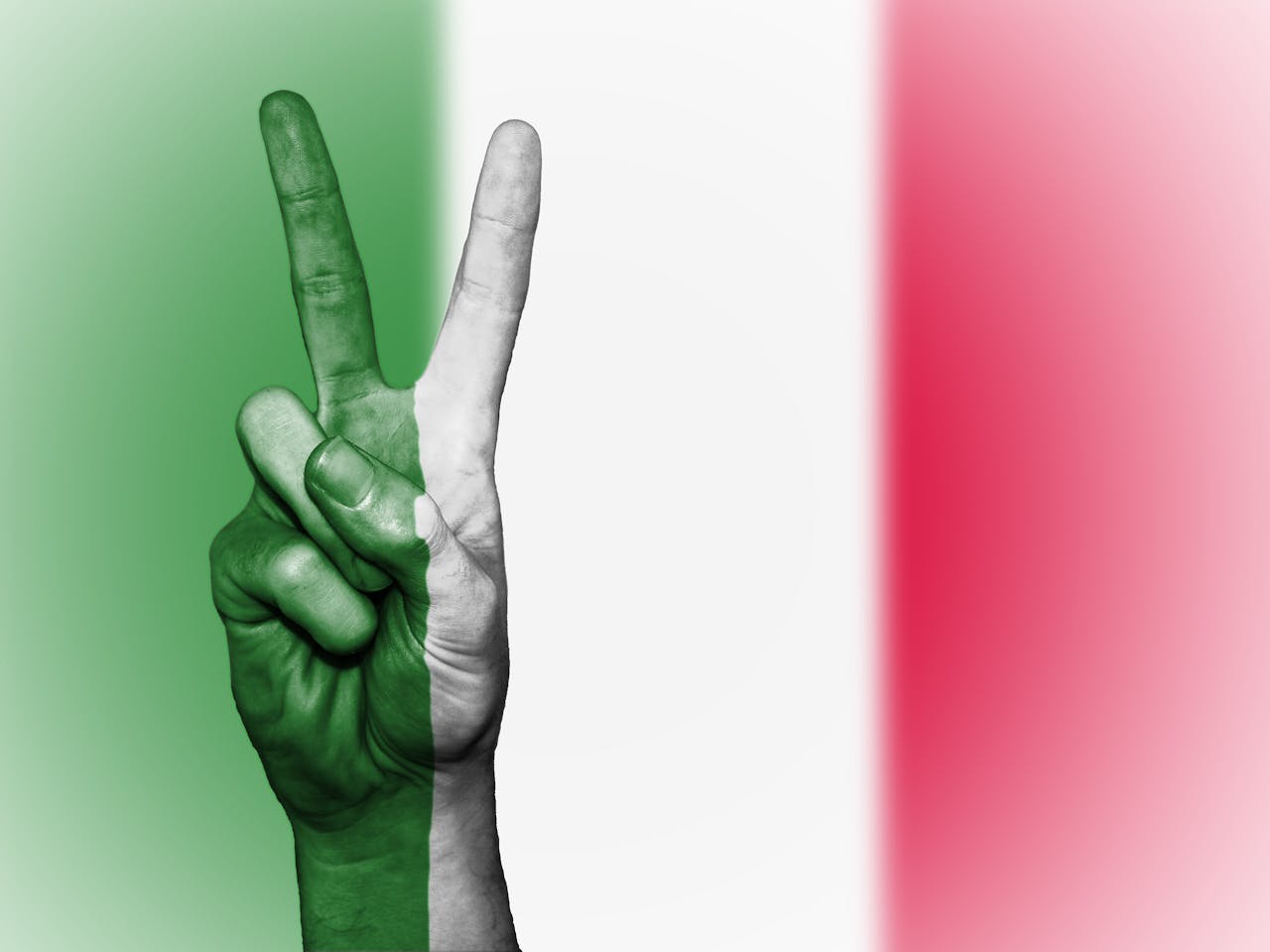
Finale
So there you have it—whether you’re planning a trip to the Amalfi Coast, hoping to read Dante in the original (or at least recognize a line or two), or simply want to debate pasta shapes with proper authority, 2025 is a great time to embrace your inner Italian.
Start small: learn a handful of phrases, listen a little every day, and speak sooner than you feel ready. Buona fortuna!
No previous post
Back to all blogs